

Big feelings? Busy mind? You’re not broken. You’re human.
School. Friends. Social pressure. Expectations.
Sometimes emotions feel too big and no one teaches you what to do with them.
Mighty Champions of Mental Health Education
Shows you how to:
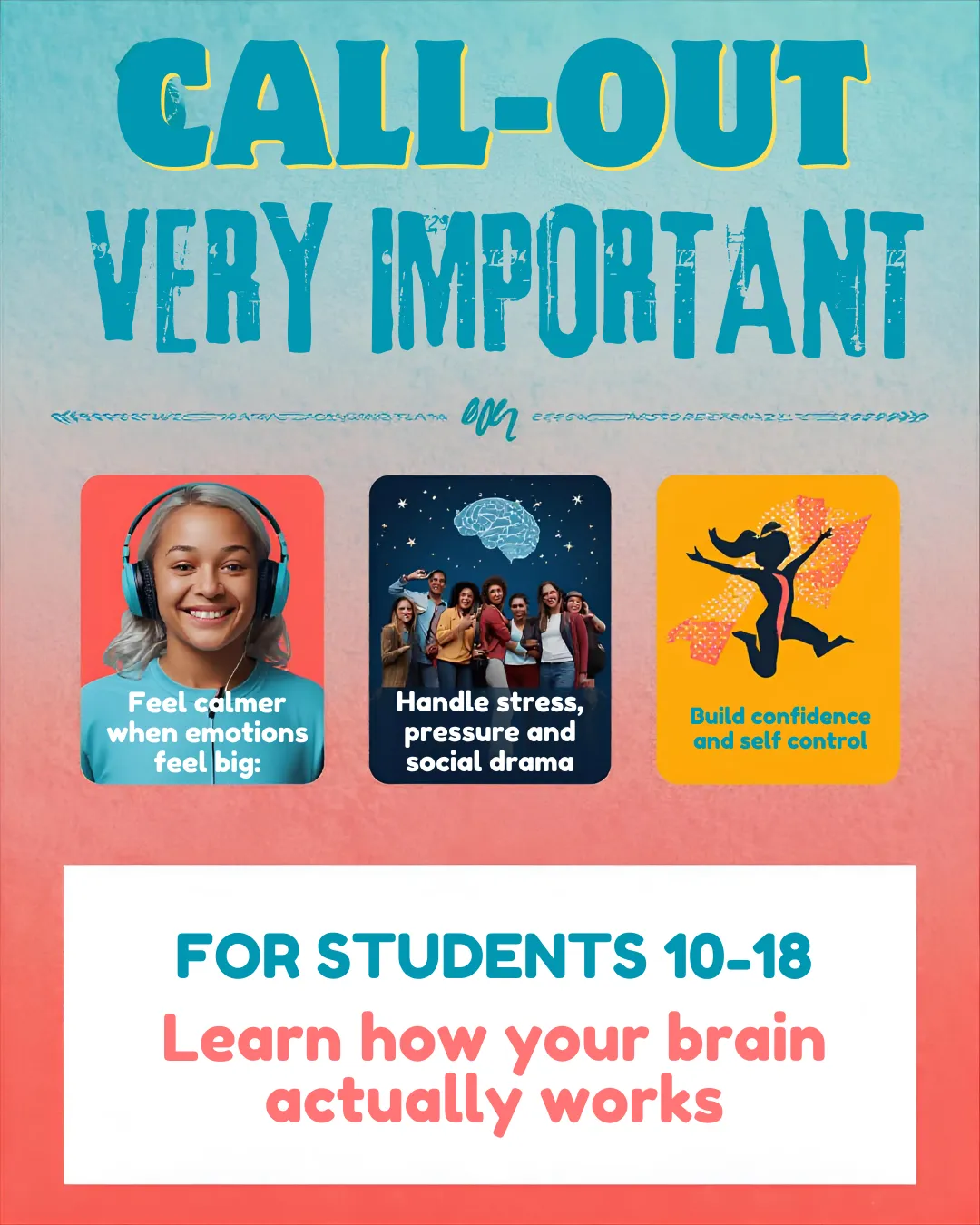
Stay calm when emotions feel overwhelming
Handle stress, pressure, and social drama with confidence
Build self-control instead of reacting or shutting down
Learn how your brain actually works and how to train it
This isn’t boring school stuff.
It’s real-life brain skills you can use every day.
Train your brain. Build confidence. Become a Mighty Champion.
Start your journey here👇
Train Your Brain. Control Your Emotions. Become a Mighty Champion.
A powerful, science-based book that helps students ages 10–18 understand emotions, manage stress, and build confidence at school, at home, and in life.

“Get the Mighty Champions Book + Certificate & Quiz Pack”
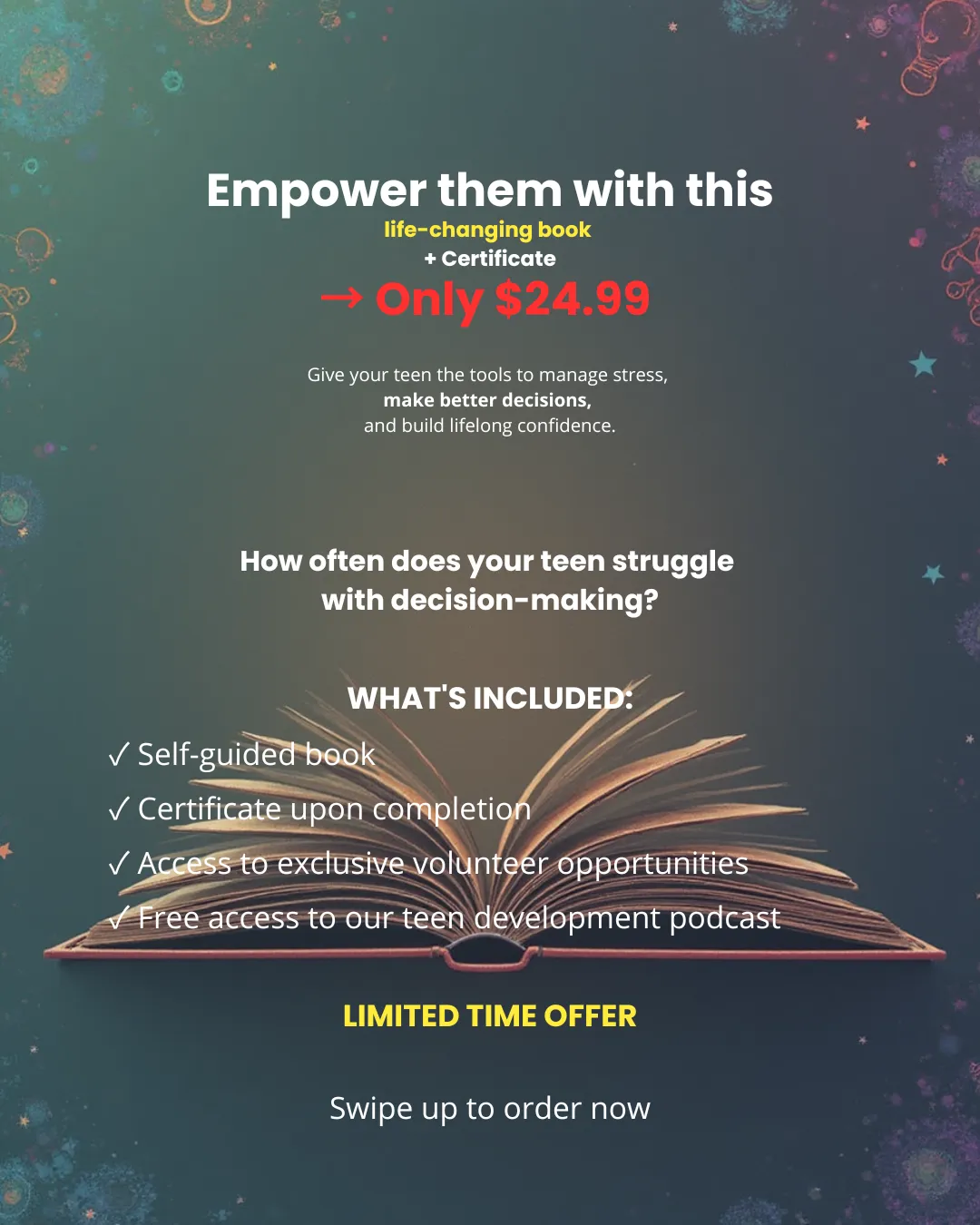

“How often does your teen struggle with decision-making?”
Give your teen the most important advantage in life: emotional strength, leadership skills, and proven mental-health training designed by a Harvard-trained psychiatrist and a pediatrician.

Empower Young Minds with Mental Health Education
The Mighty Champion Book helps children build confidence, emotional awareness, and resilience, skills they’ll carry for life.
Perfect for parents, teachers, and advocates of mental wellness.
Reviewed by Health Professionals

Dr. Hassan Abdullah
When do you think you will be able to apply what you learned in your personal or professional life?
It helped me with enough knowledge to help the patients of all ages, both adults and children.
What specific skills or techniques did you learn that you can apply in your interactions with patients?
For adults, I can help them with my new formed knowledge about CBT and DBT. For children, now I have tools to educate them about mental health.
How do you plan to incorporate the mental health competencies from the program into your medical practice?
I believe it's important that we do not separate mental health from their general health related issues, and it empowers me to screen for mental health related issues such as depression, and anxiety.
What specific aspects of the program did you find most beneficial, both for your future practice and your personal life?
Being mindful and encouraging my patients to be mindful about themselves should be the most important one as I believe, living consciously is the most important aspect of building self esteem.
Dr. Frank Poku Adu Brenya
When do you think you will be able to apply what you learned in your personal or professional life?
As soon as possible, since am already on the field.
What specific skills or techniques did you learn that you can apply in your interactions with patients?
My way of communication.
How do you plan to incorporate the mental health competencies from the program into your medical practice?
Through my counseling.
What aspects of the program were most helpful for your personal growth?
Group education.
What specific aspects of the program did you find most beneficial, both for your future practice and your personal life?
Group research.
What specific strategies or techniques from the program do you think will help you manage or prevent burnout in your medical career?
Enquiring new experience.
Dr. Zaid Bazbaz
When do you think you will be able to apply what you learned in your personal or professional life?
I think I will be able to apply what I learned to all aspects of my life, professionally and socially.
What specific skills or techniques did you learn that you can apply in your interactions with patients?
I learned a lot of mindfulness techniques to apply during stressful social situations to keep myself calm and rethink my perspective about someone else during an altercation.
How do you plan to incorporate the mental health competencies from the program into your medical practice?
I plan to specifically use the guidelines from the cognitive behavioral techniques competency to understand my own thoughts and cognitive patterns.
What aspects of the program were most helpful for your personal growth?
The competencies on mindfulness, self-awareness, and self-management were the most beneficial in promoting my own personal growth.
FAQs
Answers to Your Top Questions About Educational Guidance
What exactly is “Mighty Champions of Mental Health Education”?
It’s a science based, age appropriate mental health education book designed to teach children and teens the emotional, cognitive, and life skills schools often don’t cover like managing stress, making decisions, building resilience, and understanding how their brain works.
This is education, not therapy.
Is this book a replacement for therapy or counseling?
No. This book is preventive and educational, not a substitute for therapy or medical care. Think of it like teaching kids physical health before illness, mental fitness before crisis.
What ages is this book best for?
The book is designed for ages 9–18 (Grades 5–12).
Younger children enjoy the illustrations and simple explanations; older teens connect with the neuroscience, reflections, and real-life examples.
Many parents read it alongside their child.
My child doesn’t like reading. Will this work?
Yes. This is not a traditional textbook.
The book includes:
Short, engaging chapters
Illustrations and brain visuals
Simple quizzes
Reflection prompts
Practical exercises
Most kids can complete a chapter in 15–20 minutes.
What are the 10 skills my child will learn?
Your child will build:
Self-Awareness
Emotional Regulation
Social Awareness
Relationship Skills
Responsible Decision-Making
Problem-Solving
Cognitive Behavioral Thinking (CBT)
Positive Psychology
Mindfulness
Resilience
These skills are linked to academic success, emotional well-being, and leadership.
Does this help with college applications?
Yes. Completing the book includes:
A Certificate of Completion
5 documented volunteer hours
Skills colleges explicitly look for: Leadership, Resilience, Empathy, Self-reflection
Many application essays ask about challenges, growth, or personal values, this book gives students real experiences to write about.
Have questions about our program or upcoming promotional packages?
Explore the best options for your group.